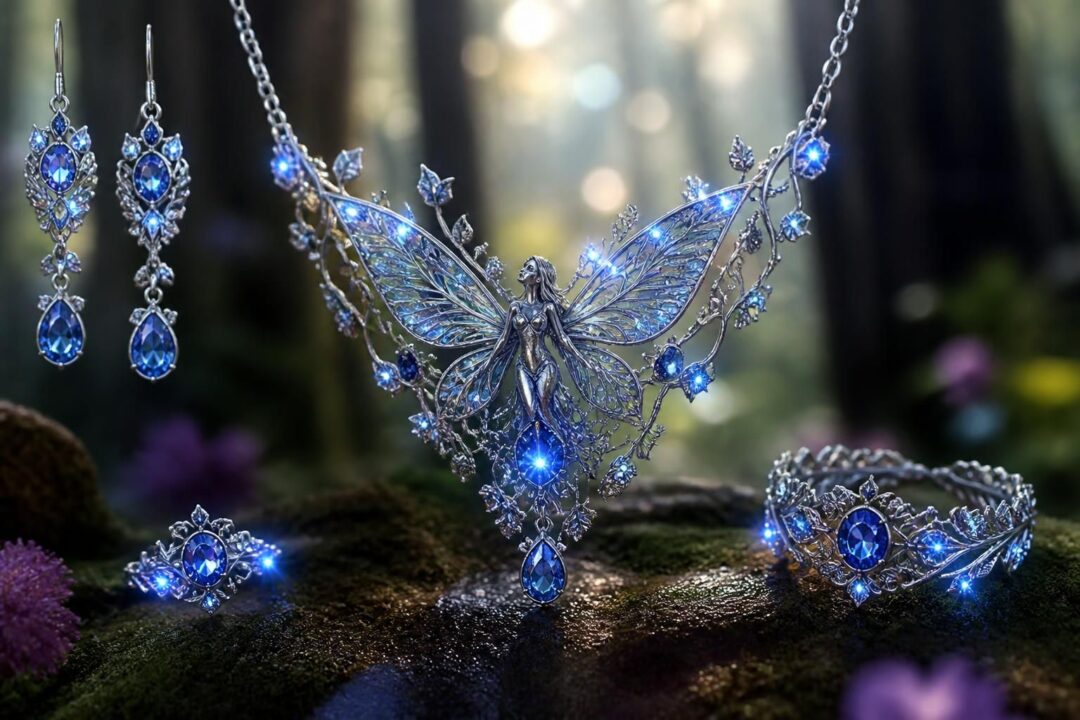
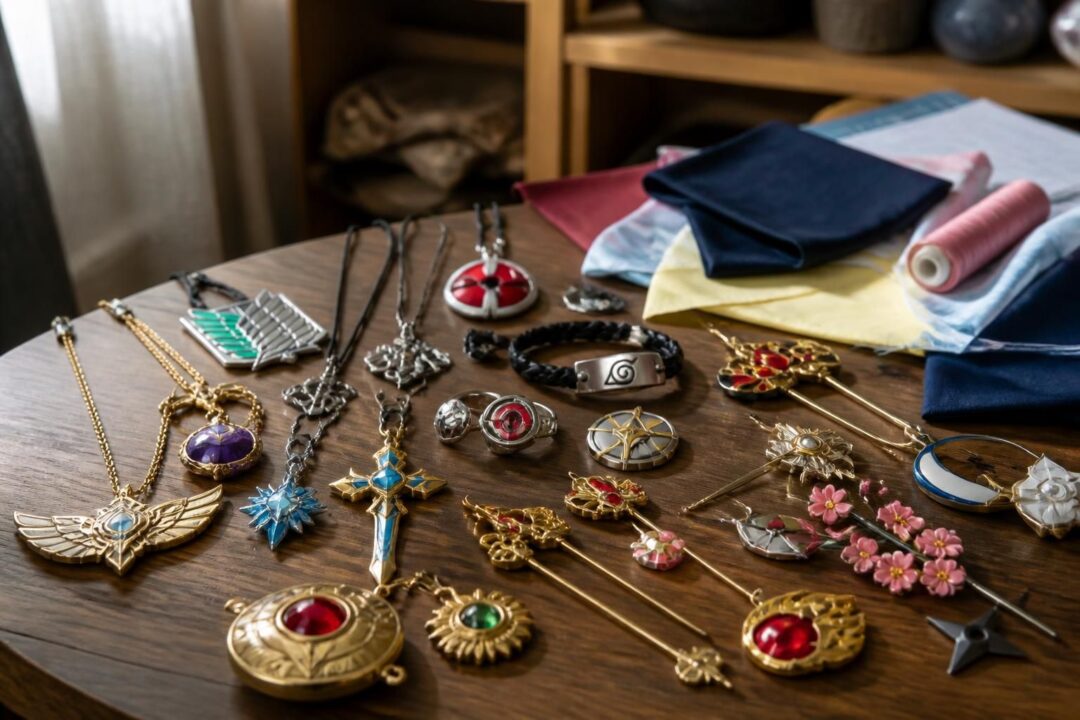
- Anime Jewelry can define a character faster than a full outfit, especially in photos and hallway meetups.
- Smart Cosplay Accessories choices start with accuracy, comfort, and convention safety, not price tags.
- Affordable Cosplay works best when spending focuses on “signature pieces” and the rest is upgraded with DIY finishes.
- Budget Anime Jewelry looks premium when materials, scale, and color matching are handled with care.
- Reliable buying comes from clear listings, seller transparency, and reviews that show real-world wear.
- Cosplay Tips that save money: modular builds, shared tools, and repair kits that prevent last-minute rebuying.
- Anime Fashion influences everyday wear too, so accessories can pull double duty beyond conventions.
Convention floors reward detail, yet they punish flimsy choices. A necklace that twists, a ring that turns green, or a prop that fails weapons check can sink a look in minutes. However, the best cosplayers rarely “buy the whole character” in one click. Instead, they build a smart stack of Costume Accessories: one or two hero items that read instantly on camera, plus supportive pieces that stay comfortable through a long day of lines, panels, and photos.
That is where shopping strategy matters. The market for Anime Merchandise has never been broader, and it ranges from bulk packs to boutique makers who nail screen-accurate geometry. Nevertheless, “cheap” and “affordable” are not the same thing. Affordable means the item holds up, looks correct at normal viewing distance, and can be repaired or upgraded. Consequently, learning how to evaluate listings, materials, and sizing will save more money than chasing the lowest price.
To keep the guidance concrete, this article follows a recurring example: a cosplayer named Mina planning three looks for the same season—one for a big summer convention, one for casual meetups, and one for a photo shoot. Each build uses Cosplay on a Budget principles while still aiming for maximum character recognition.
Anime Jewelry on a Budget: Build a “Hero Piece” Strategy That Reads on Camera
When money is tight, the most effective approach treats Anime Jewelry as a visual shortcut. A character’s pendant, earrings, or emblem ring can broadcast identity faster than perfectly tailored fabric. Therefore, budget planning should start by identifying what photographers and fans recognize first. For Mina’s first build, she lists the top three “readable at ten feet” items: a signature pendant, a colored gem element, and a symbol motif that repeats on belt hardware.
Once the hero piece is chosen, the next question becomes materials. Low-cost alloys often look fine in a product photo, yet they can oxidize after a few hours of sweat and heat. However, “budget” does not require “mystery metal.” Stainless steel, plated brass with a clear coating, and quality resin can stay stable through repeated wear. In addition, acrylic gems often photograph better than cheap glass because they keep consistent color under harsh convention lighting.
Choosing Cosplay Jewelry: Scale, Color, and Skin Comfort
Choosing Cosplay Jewelry hinges on proportions. Many listings copy an anime illustration literally, yet real bodies need adjusted scale. Consequently, a pendant that looks correct in art may land too high on the chest, or a choker may sit awkwardly on the throat. Mina measures neck circumference and preferred drop length, then compares those numbers to listing dimensions. If the seller omits measurements, she treats that as a warning sign rather than a bargain.
Color matching also decides whether Budget Anime Jewelry looks expensive. Anime palettes often use “flat” colors, but real materials reflect light. Therefore, a gem that shifts from emerald to teal may clash with a costume that reads pure green. Mina tests color harmony by taking a phone photo of the jewelry next to fabric swatches. Even though it feels simple, the camera reveals mismatches the eye misses.
Comfort matters just as much. Nickel sensitivity remains common, and cheap plating can trigger irritation. As a result, many cosplayers line earrings with hypoallergenic hooks or use silicone barriers on rings. These small fixes cost less than replacing the entire piece, and they keep the day enjoyable instead of itchy.
Case Study: Upgrading a $12 Pendant into a “Boutique Look”
Mina finds a $12 pendant that matches the silhouette but looks flat. Instead of rebuying, she upgrades it. First, she sands visible mold lines, which instantly improves realism. Next, she adds a thin black wash into recesses, then wipes the raised areas. That single step creates depth similar to higher-end cast pieces. Finally, she seals it with a satin clear coat, so it reads like aged metal rather than plastic.
This method demonstrates a useful rule: spend money where it cannot be faked, and use technique where it can. Chain quality, clasps, and ear wires affect reliability. Meanwhile, surface finish can be improved at home with paint, weathering, and sealant. The result looks premium in photos, and it survives multiple wears. That is the difference between random cheap buys and true Affordable Cosplay.
Cosplay Accessories That Matter Most: Prioritize Safety, Durability, and All-Day Wear
The fastest way to waste money is buying an accessory that cannot enter the venue. Convention prop rules vary, yet they share common themes: no sharp edges, no metal blades, and no heavy swing hazards. Therefore, the best Cosplay Accessories plan starts with “will this pass weapons check?” before it asks “does this look cool?” Mina keeps a folder of the event’s prop policies, then cross-checks every purchase against them.
Durability also determines real cost. A $20 item replaced twice becomes a $60 mistake. However, durability does not always mean heavier. Closed-cell foam, PVC cores, and flexible resins can handle travel while staying safe. In addition, modular builds travel better. A staff that breaks into two parts with a hidden connector costs more up front, yet it prevents airline damage and hallway collisions.
Safe Cosplay Weapons: Foam, PVC, Resin, and the “Check Line” Reality
For swords and staffs, safe materials dominate. Foam blades with a sealed surface remain the standard for crowded spaces. PVC cores add straightness, although they must be padded to avoid rigid impact. Resin props can look stunning; nevertheless, they need rounded edges and sensible weight. Mina chooses a foam sword for the convention day and reserves a heavier display piece for controlled photo shoots.
Moreover, “safe” includes how the prop is carried. A sword on a loose strap can swing into other attendees. Consequently, Mina adds a secondary retention strap and a quick-release buckle. Those hardware upgrades cost little, and they prevent both damage and awkward apologies. Practicality becomes part of the look when it keeps the cosplay intact.
Beginner Must-Haves: Small Items That Prevent Big Problems
New cosplayers often focus on showy items, yet “boring” accessories protect the whole build. A compact repair kit, fashion tape, spare clips, and a small comb can salvage a day. Likewise, gloves, belts, and base layers add comfort and help pieces sit correctly. Mina treats these as core gear rather than optional extras, because they reduce emergency purchases at inflated vendor prices.
- Wig essentials: a wig cap, a wide-tooth comb, and travel-size hairspray.
- Attachment tools: safety pins, mini sewing kit, double-sided fashion tape, and small binder clips.
- Comfort items: blister pads, deodorant wipes, and breathable base layers.
- Prop security: extra straps, zip ties, and a compact roll of gaffer tape.
- Photo-ready touches: matte powder, lint roller, and a microfiber cloth for shiny accessories.
These choices are not glamorous, yet they change outcomes. As a result, Mina avoids the common “I had to rebuy it at the con” scenario. Every saved emergency purchase becomes budget for better hero items later. The next step, then, is knowing where to shop with confidence.
For a visual walkthrough of beginner-friendly accessory planning, this search is a strong starting point:
Where to Buy Anime Merchandise Without Overpaying: From Marketplaces to Makers
Shopping well means understanding what each sales channel does best. Massive marketplaces offer speed and variety, yet quality varies wildly. Meanwhile, handmade platforms deliver originality, although lead times can be longer. Therefore, the smart play mixes sources: commodity items from big retailers, character-specific Anime Jewelry from specialist shops, and one standout custom piece from an artisan when it truly matters.
Mina uses a three-tier system. Tier one covers basics like gloves, belts, and wig stands. Tier two focuses on mid-range character items, such as emblem earrings or a themed bracelet. Tier three is the “signature buy,” often a custom pendant or a precisely modeled hair ornament. Consequently, she can control total spend while still getting a centerpiece that looks intentional.
Reading Listings Like a Curator: Photos, Materials, and Reviews
Good listings show the item in multiple angles and in real lighting. However, some stores rely on heavily edited renders. Mina looks for close-ups of clasps, backing plates, and edge finishes. In addition, she checks whether the seller names materials clearly. “Metal” means nothing; stainless steel, brass, and zinc alloy behave differently in wear and weight.
Reviews matter most when they mention fit, comfort, and durability after an event. Therefore, Mina searches reviews for terms like “convention,” “all day,” “sweat,” and “broke.” She also values customer photos, because they reveal scale. If an item looks different on a person than on a product shot, that mismatch often repeats.
Price Signals: When “Too Cheap” Costs More
Some prices indicate shortcuts. Extremely low-cost rings may use thin plating that wears off fast. Likewise, bargain gem settings may arrive with crooked prongs. As a result, the piece can look “off” even if the design matches. Mina sets a minimum threshold for items that touch skin for hours, because replacing them costs more than buying once.
On the other hand, high price does not guarantee accuracy. Some “premium” listings reuse generic fantasy designs and label them as anime-inspired. Consequently, Mina cross-checks with reference images, including official art and prop replicas when available. That habit prevents paying boutique prices for something that does not read as the character.
Comparison Table: Best Places to Shop for Affordable Cosplay Accessories
| Source | Best For | Typical Pros | Common Risks | Smart Buying Tip |
|---|---|---|---|---|
| Large marketplaces (e.g., Amazon-style listings) | Fast basics and generic Costume Accessories | Quick shipping, easy returns, huge selection | Inconsistent materials, misleading photos | Filter for listings with precise dimensions and customer photos |
| Auction and resale platforms (eBay-style) | Discontinued Anime Merchandise and deal hunting | Rare finds, flexible pricing | Variable condition, limited returns | Ask for close-ups of clasps, backs, and any wear |
| Handmade marketplaces (Etsy-style) | Character-accurate Anime Jewelry and custom work | Unique designs, direct maker communication | Longer production time, higher shipping | Order early and confirm sizing before purchase |
| Dedicated cosplay shops | Wigs, props, themed accessory sets | Cosplay-focused sizing and materials | Stock can sell out before con season | Buy core items off-season, then upgrade details later |
| Convention vendor halls | In-person fit checks and artisan pieces | Try before buying, support local creators | Impulse spending, limited inventory | Set a cash cap and shop once after a full lap |
This mix-and-match approach gives control. Moreover, it creates a reliable pipeline: buy essentials early, then add character-specific pieces as references and budgets become clearer. Next comes the part that transforms “budget” into “believable”: customization and finishing.
DIY Upgrades That Make Budget Anime Jewelry Look Premium (Without Expensive Tools)
Customization is where Cosplay on a Budget turns into a visual advantage. Many characters wear pieces that look aged, enchanted, or battle-worn. Therefore, a flawless factory finish can actually look less accurate than a carefully weathered surface. Mina treats DIY as “finishing,” not full crafting. That mindset keeps projects manageable and reduces the chance of half-done builds.
Most upgrades use inexpensive supplies: acrylic paint, a small brush set, sandpaper, and a clear sealant. However, the real skill lies in restraint. One pass of shading often beats heavy repainting. Consequently, Mina tests on the back side first, then commits to the visible areas. This practice prevents panic fixes that lead to rebuying.
Three High-Impact Finishes: Depth, Shine Control, and Edge Cleanup
First, add depth. A dark wash in creases makes patterns pop, especially on emblems and filigree. Second, control shine. Many low-cost metals look like chrome, yet anime props often read satin or aged. Therefore, a satin clear coat can instantly shift the vibe toward “screen-used.” Third, clean edges. Mold lines and rough seams scream “toy.” A few minutes of sanding changes that story.
Moreover, gems can be upgraded. If a plastic gem looks cloudy, a thin gloss coat can improve clarity. Likewise, swapping a gem for a better acrylic cabochon often costs only a few dollars. The piece then looks like it belongs in Anime Fashion editorials rather than a discount bin.
Modular Accessories: One Purchase, Multiple Characters
Budget planning gets easier when accessories serve more than one look. Mina builds a modular set: neutral belts, interchangeable pouches, and jewelry bases with swap-in charms. Consequently, she can cosplay multiple characters from the same genre without buying everything again. This strategy also supports casual wear. A subtle pendant can shift from cosplay to street style, which increases value.
For example, a leather wristband with layered beads and a leaf charm can fit fantasy-adjacent anime designs. However, it may run into sizing quirks. Mina avoids that pitfall by choosing adjustable closures and adding an extra hole or snap. That tiny modification turns a risky buy into a reliable staple.
When Professional Help Saves Money
Sometimes DIY costs more in time and failed attempts. Intricate 3D-printed crowns, precision-cast rings, and complex prop mechanisms often justify expert work. Therefore, Mina sets criteria for outsourcing: if the piece must be perfectly symmetrical, if it must withstand travel, or if it needs a safe internal structure. A professional build can cost more up front, yet it prevents repeated replacements.
Still, even pro pieces benefit from personal tuning. Adjusting straps, adding padding, and sealing paint are simple steps that protect the investment. As a result, the final look stays stable through long convention days. Next, the focus shifts to planning and packing, because even perfect accessories can fail without smart logistics.
For practical tutorials on weathering and sealing budget props, this search brings up many clear demonstrations:
Convention-Ready Cosplay Tips: Packing, Rules, and Budget Protection in Real Life
Accessories meet their toughest test in motion. Heat, crowds, and constant photos expose weak links. Therefore, a convention plan should treat accessories as a system: how they attach, how they travel, and how they get repaired. Mina uses a checklist that separates “wearing,” “carrying,” and “backup.” This reduces last-minute scrambling, which often leads to overspending at the venue.
Rules matter because enforcement happens at the door, not online. Many events run weapons checks, and staff may tag approved props. Consequently, Mina designs for compliance: rounded tips, flexible materials, and peace-bond options. She also brings a simple printout of materials and build notes for unusual props. That small effort can speed up approvals.
Accessory Packing That Prevents Breakage and Lost Pieces
Jewelry tangles and scratches easily. However, travel organizers solve most problems. Mina uses small zip pouches for sets, then labels them by character. For delicate pieces, she adds tissue wrap and keeps them in a hard case. In addition, she carries hero jewelry in a personal bag rather than checked luggage. Lost luggage should not cancel a costume.
Props need smart packing too. A foam sword can deform under weight. Therefore, Mina stores it along the edge of a suitcase or in a dedicated prop bag. For modular props, she keeps connectors in a separate pouch, because missing one screw can end the build. That level of detail sounds intense, yet it protects the budget by preventing replacements.
All-Day Wear: Comfort Engineering for Jewelry and Costume Accessories
Comfort determines confidence. Heavy earrings pull, chokers pinch, and rings can swell tight after hours of walking. Consequently, Mina uses lightweight substitutes for long days, then swaps to “photo jewelry” for scheduled shoots. This approach preserves the look while avoiding pain. Moreover, it reduces the risk of losing pieces during quick outfit changes.
Attachment points deserve special care. A pendant that swings can flip backward in photos. Therefore, Mina uses a discreet dot of museum gel or fashion tape to stabilize it. For hair ornaments, she anchors with crossed pins and a small elastic. These tiny engineering tricks count as Cosplay Tips, because they prevent the costly cycle of replacing “lost on the floor” accessories.
Budget Protection: Setting Spend Limits That Still Feel Fun
Vendor halls tempt even disciplined shoppers. Mina sets a “found money” rule: a fixed amount for surprises, plus a separate budget for planned upgrades. Consequently, impulse buys do not eat the essentials. She also photographs anything tempting, then waits one full lap before purchasing. That delay keeps excitement high while reducing regret.
Finally, Mina tracks what actually performed well. After each event, she notes which items broke, which stayed comfortable, and which photographed best. This creates a personal reliability index for future shopping. As a result, every season gets cheaper and better at the same time, which is the real secret of sustainable Affordable Cosplay.
How can Budget Anime Jewelry look accurate in photos?
Focus on scale, color match, and finish. A cheap piece often looks “wrong” because it is too shiny or has visible seams. Light sanding, a dark wash in recesses, and a satin clear coat can add depth and reduce the toy-like look, while correct chain length keeps the silhouette believable.
What are the safest materials for cosplay weapons at conventions?
Most events prefer foam and lightweight plastics. Closed-cell foam with a sealed surface is common for swords, while PVC can work as an internal core when padded and fully covered. Resin can be acceptable for small props if it has rounded edges and reasonable weight, although rules still vary by event.
Where should money be spent first for Cosplay on a Budget?
Spend first on the “hero” item that defines the character, such as a signature pendant, emblem earrings, or a distinctive headpiece. Next, invest in comfort and attachment essentials like straps, clips, and base layers. Finally, treat the rest as upgradeable, since paint and finishing can elevate many low-cost Costume Accessories.
How can someone avoid overpaying when buying Anime Merchandise online?
Prioritize listings with measurements, clear material descriptions, and multiple real photos. Check reviews that mention long wear at conventions, not just unboxing. If a seller avoids specifics or only shows heavily edited images, that low price can become expensive once replacements are needed.
What is the easiest way to start Choosing Cosplay Jewelry for a first character?
Start with reference images, then identify one signature piece that reads instantly. Measure neck, wrist, or finger sizing and compare it to listing dimensions. Choose skin-friendly materials when possible, and plan a small upgrade step—like swapping ear hooks or sealing paint—so the piece stays comfortable and durable.

Sylvain, 49, passionate editor-in-chief and curator specializing in geek culture and video game collectibles. Dedicated to uncovering and sharing the stories behind the most iconic and rare treasures in the gaming world.